Part of the Wixroyd Group
Our sister brands

Part of the Wixroyd Group
Our sister brands
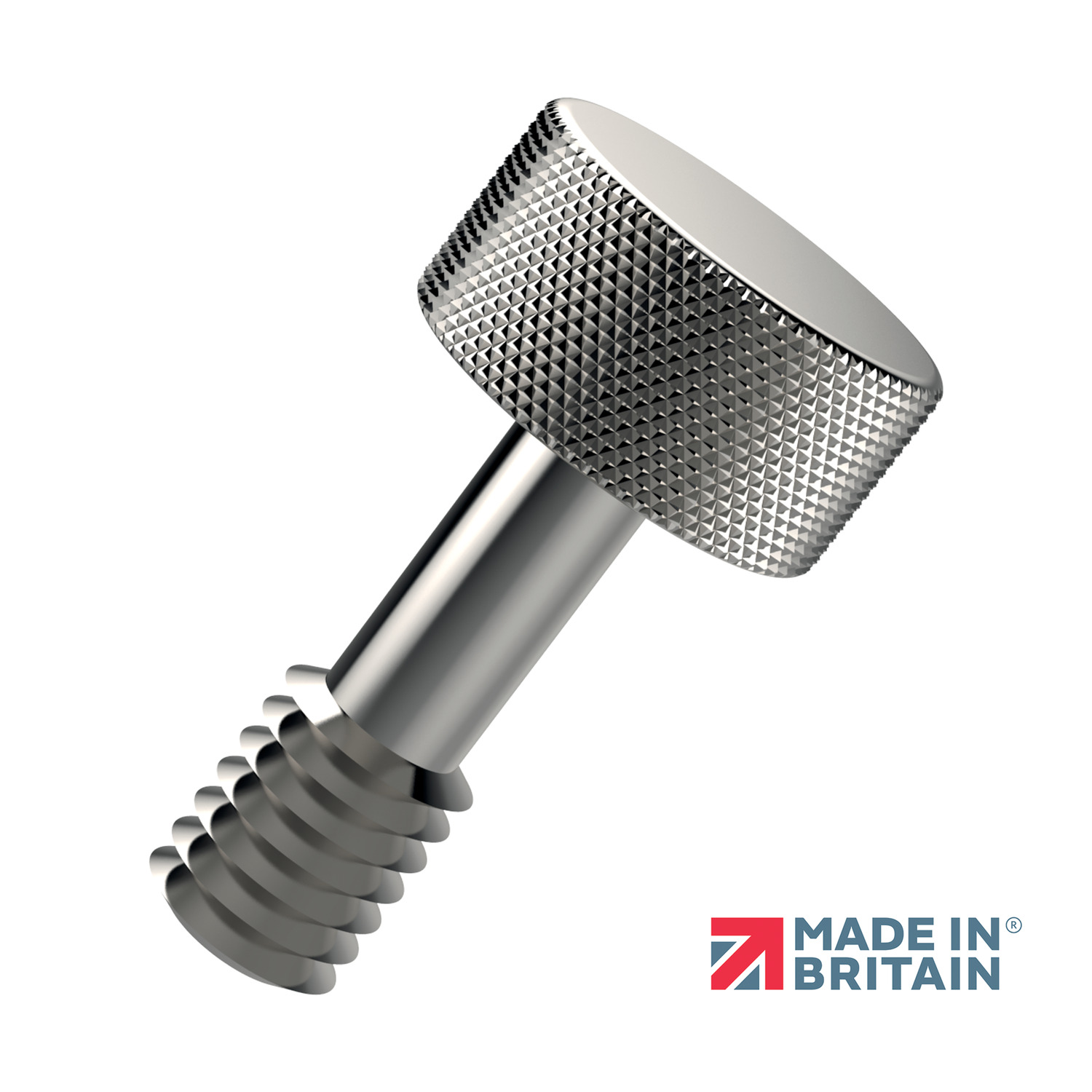
Captive screws are specialised fasteners designed to remain attached to a panel or assembly when loosened, helping to prevent components from being lost during maintenance, inspection or repair. Unlike conventional screws, captive screws incorporate a reduced diameter section that allows the fastener to stay retained within the panel whilst still enabling repeated access.
Captive screws are widely used throughout industrial machinery, electronic enclosures, safety guards, medical equipment, and aerospace applications where component security and operational safety are critical. In many machinery applications, captive fasteners also support compliance with the Machinery Directive 2006/42/EC, which requires fasteners removed during maintenance or servicing to remain attached to guards, covers, or the equipment itself. As part of a complete range of captive hardware, Automotion Components supplies captive screws, captive thumb screws, retaining flanges and captive washers in a variety of materials and finishes to suit demanding engineering environments.
How Do Captive Screws Work
Captive screws are designed with a reduced-diameter shank positioned between the threaded sections of the fastener and the head. Once installed, this shoulder allows the screw to remain retained within the panel, even when fully loosened from the mating component.
When access is required, the screw can be released from the housing or frame while remaining attached to the panel. This helps prevent lost fasteners, reduces maintenance downtime and improves operational safety. Captive screws are particularly beneficial in applications where loose components could damage equipment, or where frequent access to internal assemblies is required.
Captive screws can be installed into threaded panels directly or used with captive washers and retaining flanges, where non-threaded or thin panels are present.
Captive Screw Options
Captive screws are available in a range of materials and configurations to suit different environmental conditions, corrosion requirements and installation preferences. Whether the application requires a lightweight fastening solution, enhanced corrosion resistance or tool-free operation, Automotion Components offers a captive screw option to match your requirement.
Stainless Captive Screws
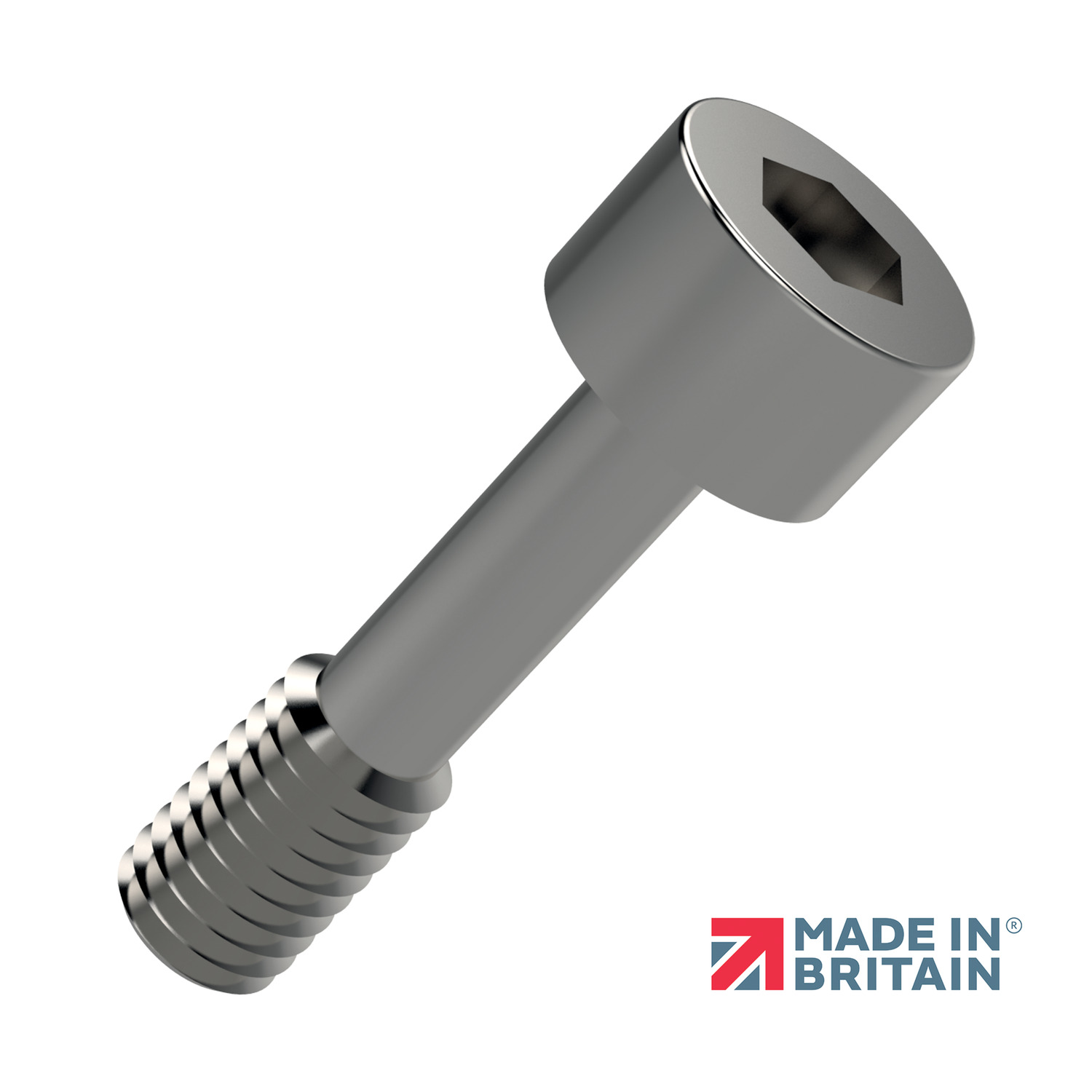
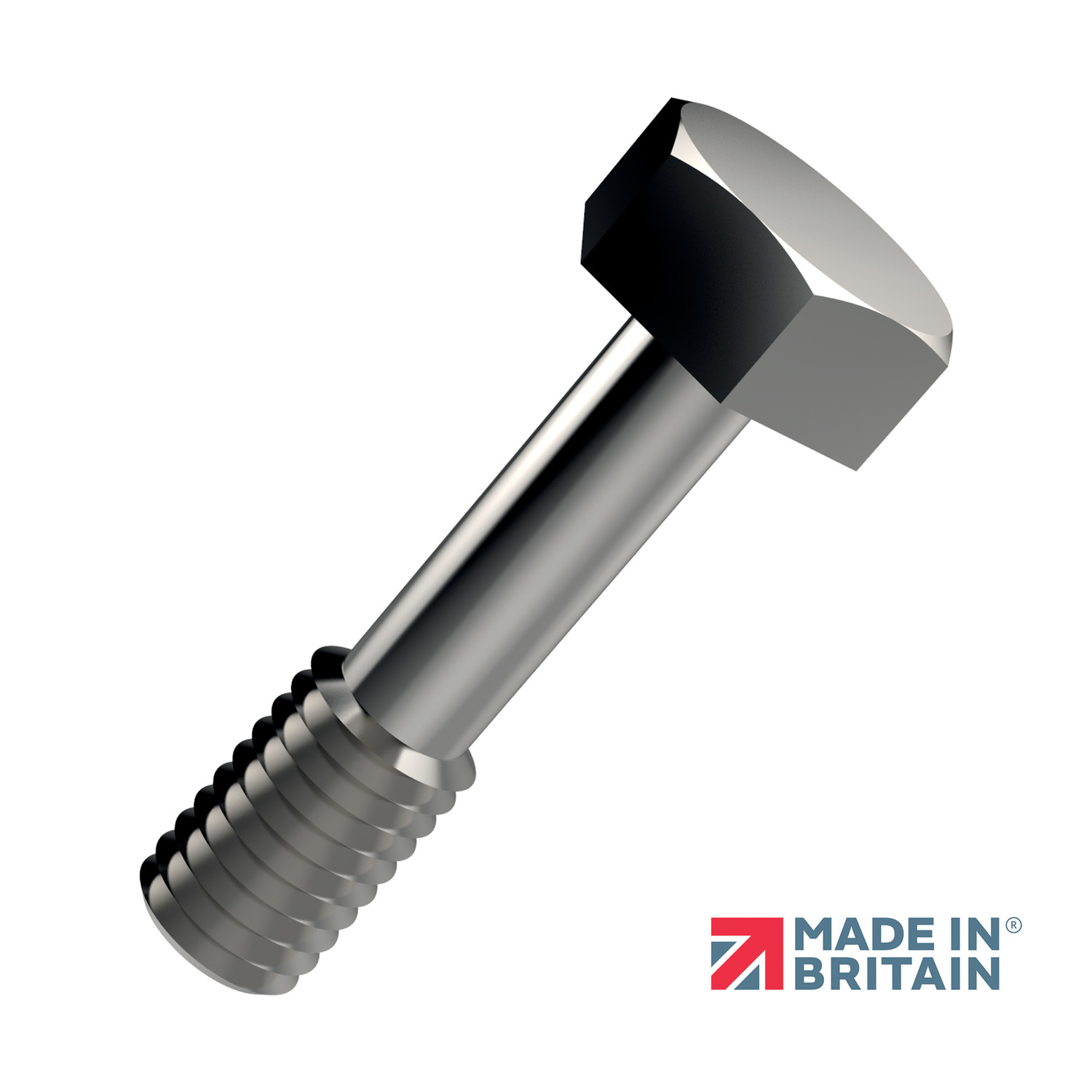
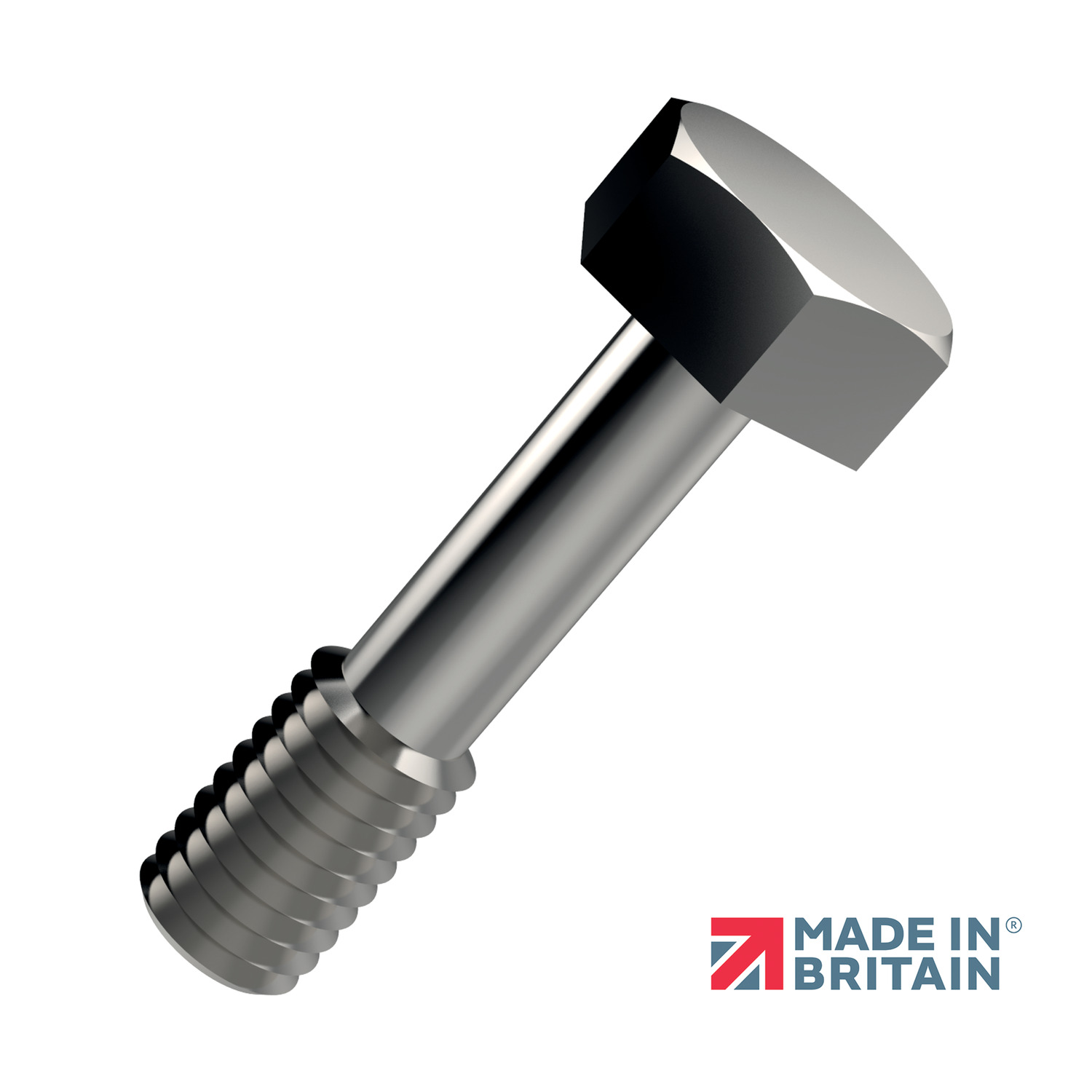
Stainless captive screws provide excellent corrosion resisitance and durability, making them suitable for industrial, medical and outdoor applications. Available in AISI 303 and AISI 316 stainless steel grades, they offer dependable performance across a wide range of operating environments.




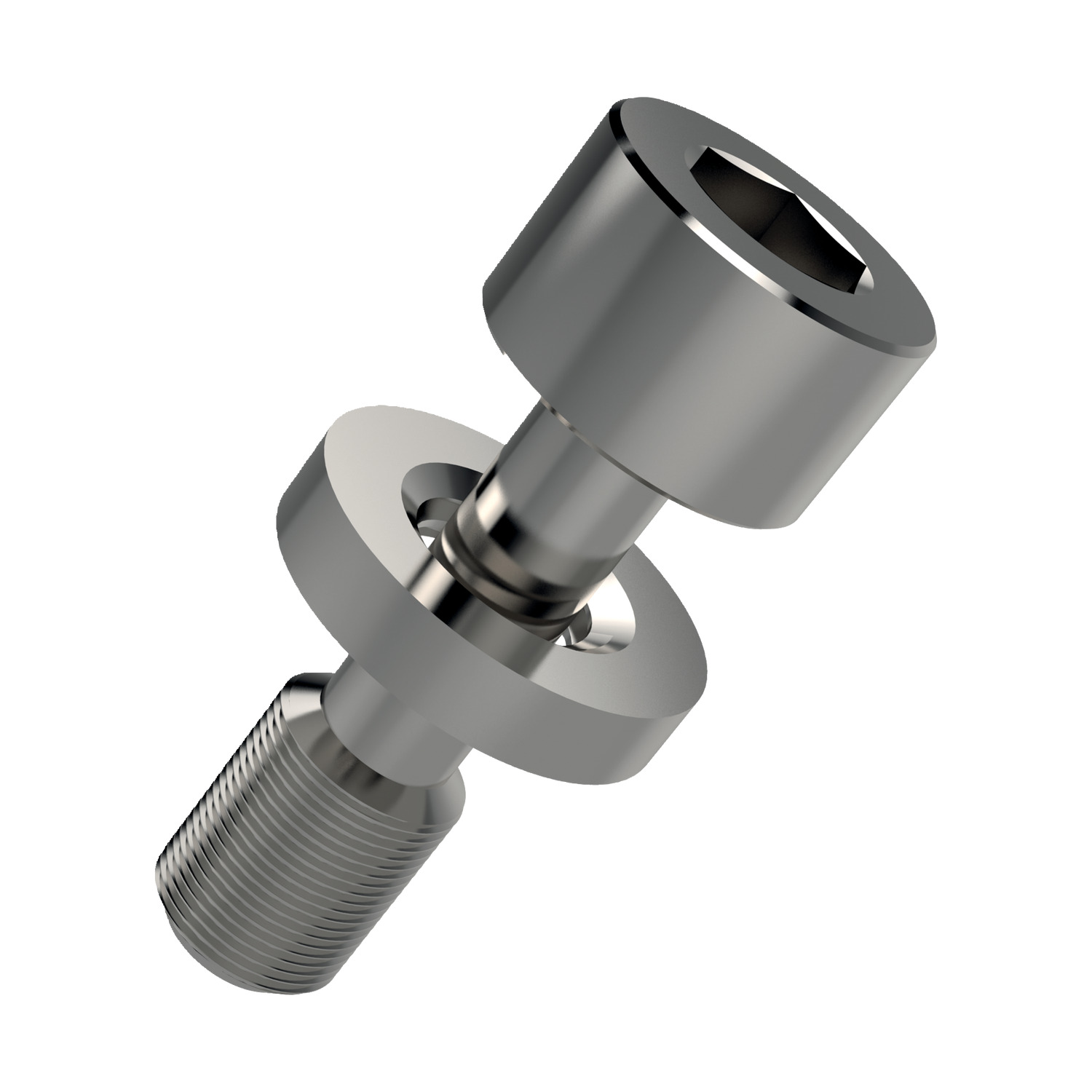
Steel Captive Screws
Steel captive screws provide a strong and economical fastening solution for general engineering applications. Zinc-plated steel variants offer additional corrosion protection whilst maintaining high mechanical strength.

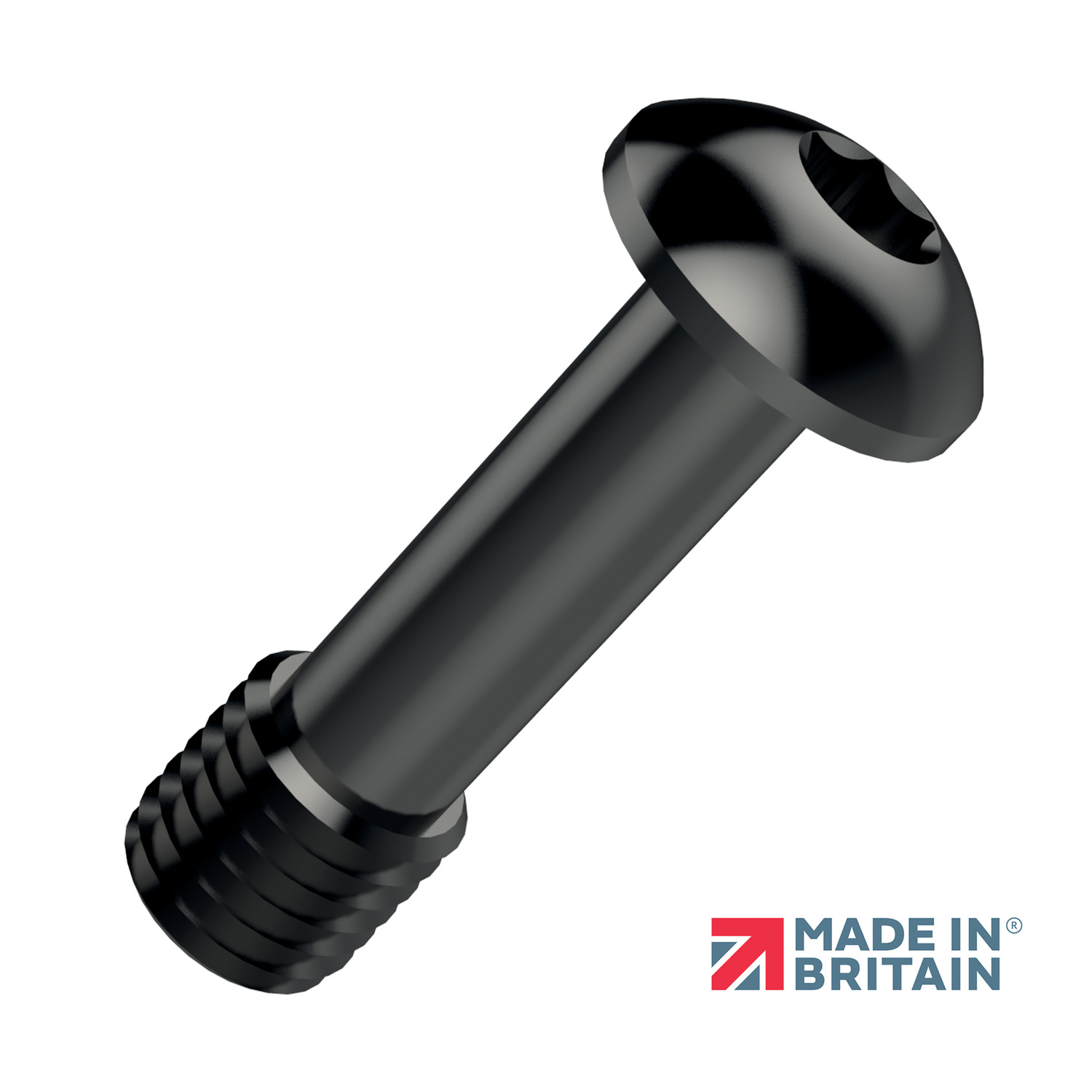
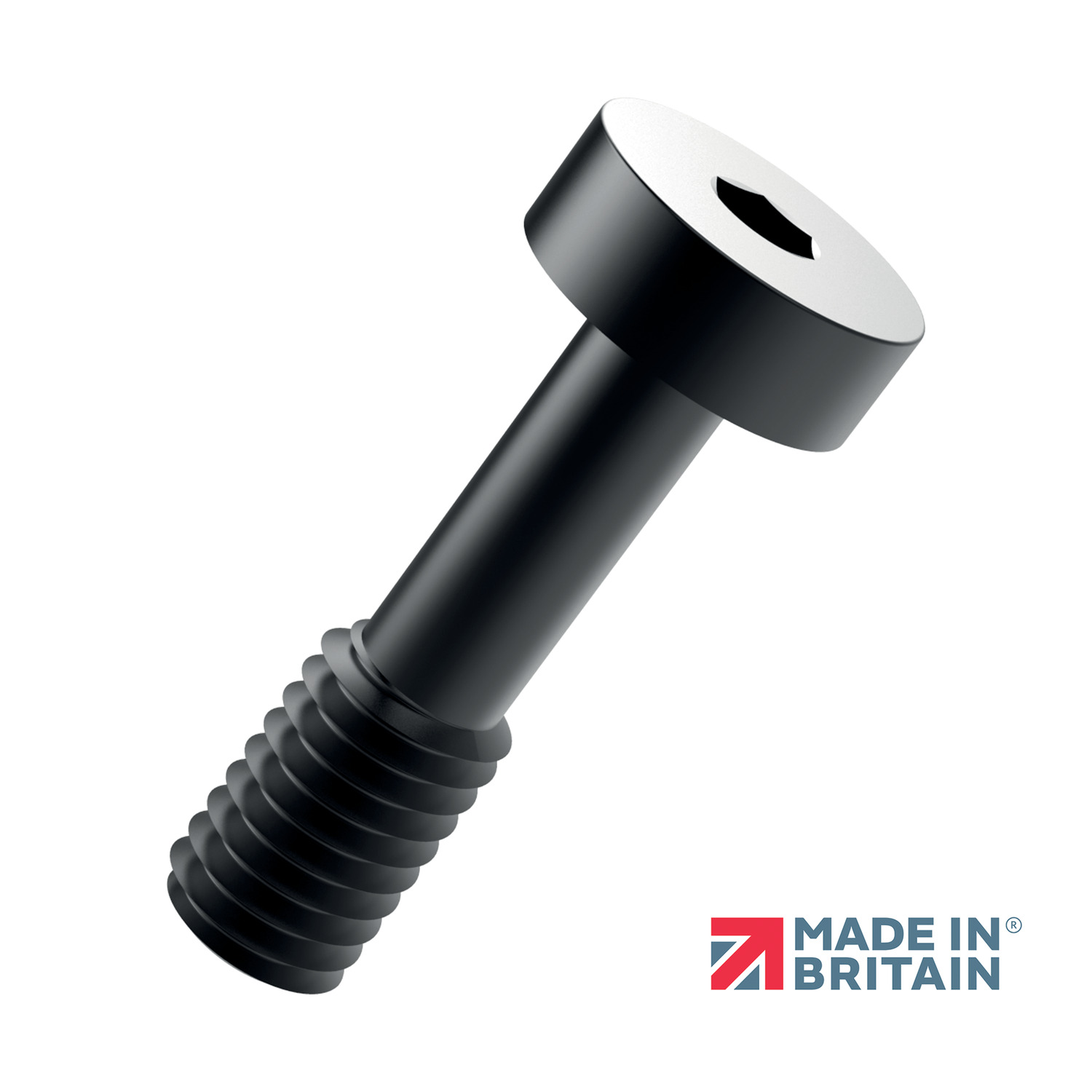
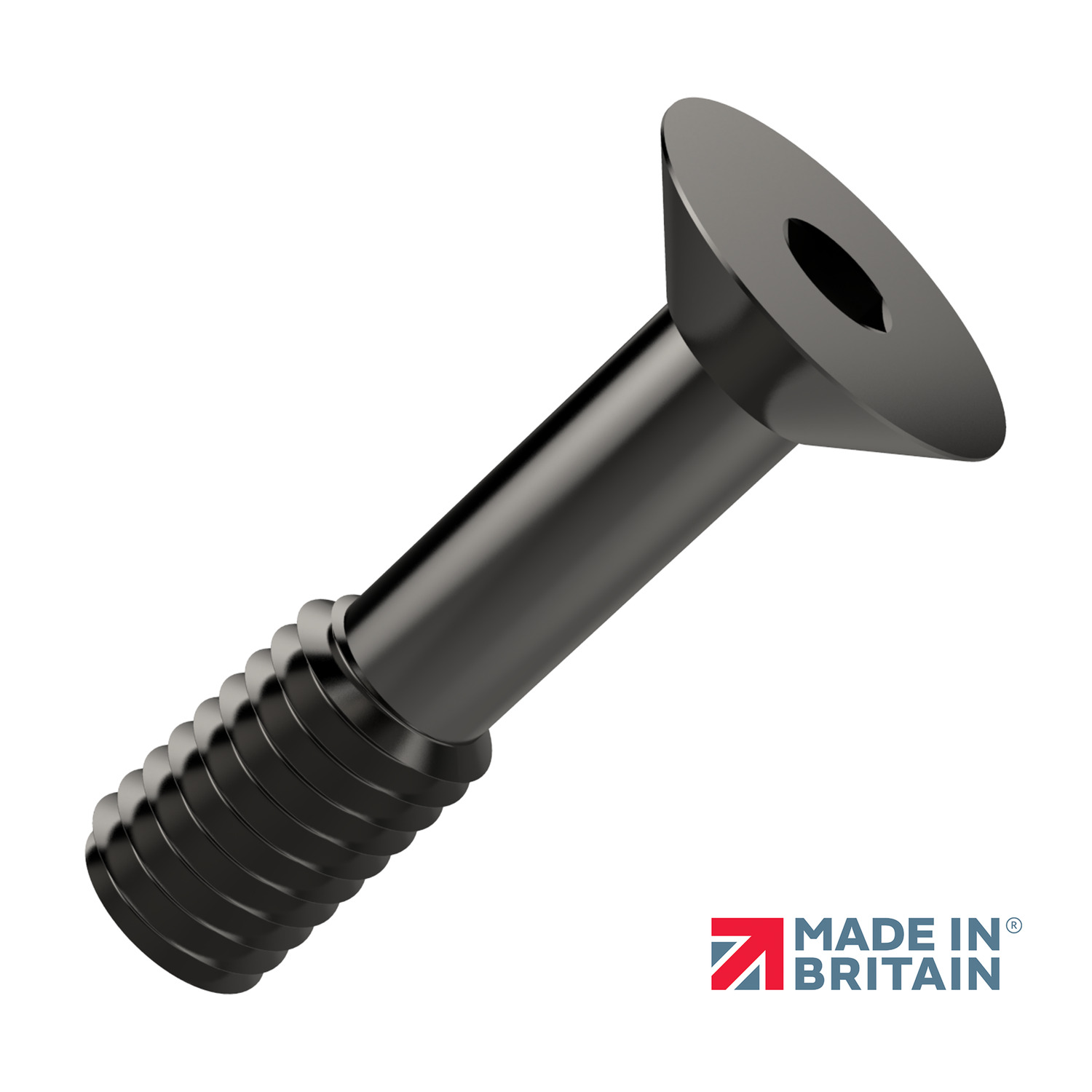
Blackened Captive Screws
Blackened captive screws feature a black oxide finish that provides a low-reflection appearance, whilst offering additional surface protection. They are commonly selected for equipment where aesthetics or reduced visibility of hardware is important, for example within the defence sector and within electronical equipment.






Titanium Captive Sccrews
Titanium captive screws combine exceptional corrosion resistance with a high strength-to weight ratio. Their lightweight construction makes them particularly suitable for aerospace, marine and other performance-focused applications.


Captive Thumb Screws
Captive thumb screws can be tightened and loosened by hand, reducing the need for tools during routine maintenance and inspection. They are commonly used on access panels, covers and assemblies that require frequent removal and refitting.




Associated products
Retaining Flanges
Retaining flanges provide a threaded fixing point for captive screw installations on thin or non threaded panels. Once fitted to the panel, the flange creates a secure threaded interface that allows the captive screw to function correctly. They are commonly used on sheet metal enclosures, machinery guards and access panels.
Captive Screws - Reatainer Flange - P0169.A2
Captive Screws - Reatainer Flange - P0169.AL
Installation Tool - P0169.TL
Captive Washers
A captive washer is used to retain a captive screw within a panel that is not threaded, whilst still allowing free rotation during installation and removal. They help ensure fasteners remain attached to the assembly, reducing the risk of lost components during maintenance.


Captive Nut Head Types
Captive screws are available with a variety of drive styles to suit different assembly requirements, installation tools and maintenance procedures. The diagram below outlines the most common head and drive configurations used across industrial and engineering applications.
Schematic | Drive Types | Uses |
 | Hexagonal recess | Ideal for precision assembly. Most recommended where less surface area is available. |
 | Crosshead (Phillips®) | Provides good drive control. Always use a driver bit of the proper size which is in good condition. |
 | Star Head (Torx®) | Positive-engaging, fast-locating method which transmits drive torque with less required downward pressure. Good fastening appearance. |
 | Slotted | Accepts standard blade screwdriver. Requires less downward pressure to drive parts than those with recessed openings. Use a proper fitting blade to minimise slippage. |
 | Security | These screws are impossible to remove without the special matching screwdriver. |
Examples of Captive Screw Installations
Captive screws can be used on both threaded and non-threaded panels. Depending on the setup, you may need extra parts such as washers or retaining flanges to keep the screw in place. See examples below.

Captive screws installed on a threaded panel will not fall out, even when loosened.

Captive screws can be retained on non-threaded panels by using threaded washers.
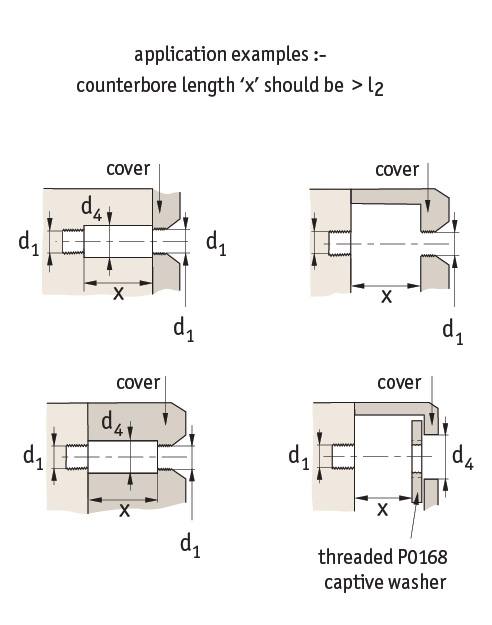
Selecting the correct captive screw starts with the panel design, thread specification and operating environment. The screw must be long enough to engage with the mating component whilst ensuring the reduced diameter section remains clear of the panel threads when loosened.
Most importantly, 'x', the space between the two threaded areas in the application should be greater than the thread length (l2) of the captive screw. This will ensure that when the captive screw is loosened from the frame, it will not interact with any threading on the panel.
The threading (d1) on the panel and the frame (or housing) must be the same so that the captive screw interacts appropriately with both fixtures. For non-hollow panels/housings, d4 must be greater than d1.
The panel does not have to be threaded, and instead, some of our customers prefer to use a non-threaded panel with a threaded captive washer (e.g. P0168 - see bottom right diagram in the application images) or retaining flange (for thin panels; e.g. P0169). To understand more about how retaining flanges for captive screws work, see our video above.
If assistance is required, our technical team can help identify the most appropriate captive screw configuration for your application.
Materials and Finishing Options
Captive screws are available in a range of materials to suit different operating environments and performance requirements. Stainless steel remains the most popular choice due to its combination of strength and corrosion resistance, while titanium offers exceptional strength-to-weight performance for aerospace and marine applications. Steel variants provide a cost-effective solution for general engineering applications, while aluminium and brass can be specified for lightweight or specialist requirements.
Material | Notes |
Stainless steel: | 303 series stainless steel (1.4305) is a machinable stainless steel grade with good corrosion resistance properties. For more information, see our stainless steel technical page, written with engineers in mind. |
Stainless steel: | 316 series stainless steel (1.4401) is an exceptionally corrosion resistant stainless steel grade. It can withstand acidic and marine environments and is more expensive than 303/304 series stainless steel. We can also offer passivation and other coatings to protect the anti-corrosion surface. |
Titanium: | ASTM B348 grade 2 titanium is commercially pure titanium metal and is exceptionally corrosion resistant. Titanium has a high strength:weight ratio and is excellent for offshore or aerospace applications. |
Titanium: | ASTM B348 grade 5 titanium is a titanium alloy (Ti6Al4V). It is stronger than grade 2 titanium and is heat treatable. It has a very high strength:weight ratio and is used in aerospace, power generation, and medical industries (among others). Titanium is more expensive than stainless steel. |
Steel | Very strong, although prone to corrosion in certain environments. Coatings are available (e.g. zinc plating). We offer various different grades of steel (e.g. 8.8, 10.9), specified in the product material notes. |
Aluminium | Aluminium is a lightweight metal with good oxidation resistance properties. |
Brass | Brass is an alloy of copper and zinc. It is resistant to oxidation and corrosion but is not compatible with amines or ammonia. It usually has a golden/yellow metallic lustre. |
Monel | A single phase nickel-copper alloy with excellent properties at both very high and very low temperatures. It is therefore used in certain areas of aircrafts. It has a high density and is very difficult to machine, so it is approximately 3x more expensive than carbon steel, and also more expensive than stainless steel. |
A range of finishing options is also available to improve appearance, durability and corrosion protection. Black oxide coated captive screws are available as a standard option, whilst additional finishes and coatings can be specified for applications with specific environmental or performance requirements. Our technical team can advise on the most suitable material and finish combination for your project.
Why Choose Automotion Components' Captive Screws?
- We offer and extensive range of captive screws, captive thumb screws and associated hardware.
- Components are available in stainless steel, steel, titanium and other specialist materials to suit multiple applications.
- Standard and bespoke manufacturing options are available.
- Free CAD downloads are available detailing design and specifications.
- We provide technical support from experienced fastening specialists.
Alexia House, Glenmore Business Park
PO19 7BJ Chichester
United Kingdom
0333 207 4498
sales@automotioncomponents.co.uk
Route via Google Maps
Company registration no: 00496138
Company VAT number GB 408154022